Power ups for electric vehicles
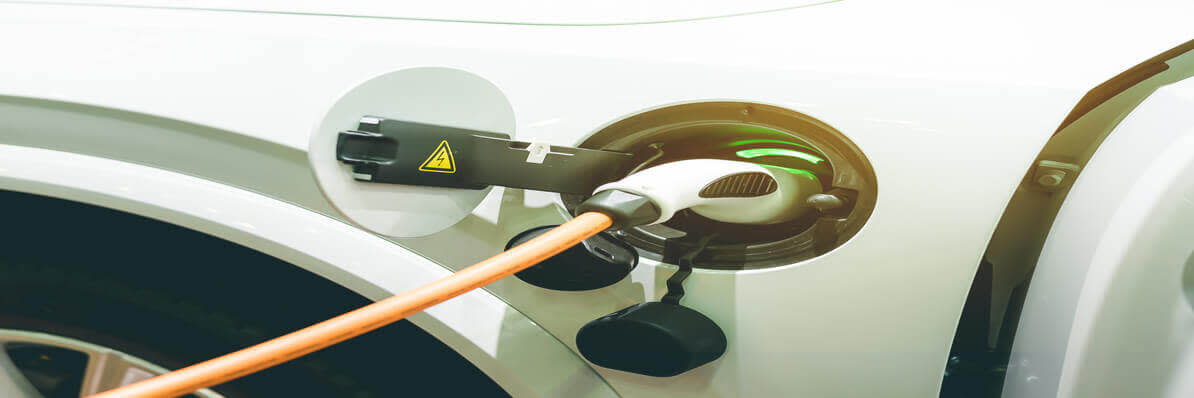


With less than 10 years before some new diesel trucks can no longer be sold, is battery power ready to take over?
HGVs are predicted to be the fastest-growing segment in the European electric truck market, with a projected growth rate of approximately 54% between 2024–2029. Volvo, Renault Trucks, Scania, Daimler and MAN are leading the charge, introducing battery-powered models designed to replace traditional diesel units.
The growth is not yet at those levels in the UK. In 2024, the Society of Motor Manufacturers and Traders reported that operator demand for zero-emission trucks fell by 7.3% to just 217 units, representing a 0.5% market share — unchanged from 2023.
But things need to change. The UK Government intends to end the sale of all new, non-zero emission HGVs weighing up to 26 tonnes in 2035. This segment accounted for almost three quarters of the overall truck market last year. That means in less than a decade, operators will have to make unprecedented changes.
It looks a major task. So how will this happen?
The vehicles
Having the right products to match operational needs is essential, and manufacturers are developing and upgrading their ranges rapidly.
For regional distribution there are trucks such as the Mercedes-Benz eActros 600, now in use with Amazon, offering a quoted range of over 300 miles on a single charge from its 600kWh-plus battery pack.
The latest Volvo FM Electric can be specified with between two and six battery packs, each with a capacity of 90 kWh. This gives a total battery capacity ranging from 180 kWh to 540 kWh and a range of up to 200 miles.
That’s similar to the latest Renault Trucks E-Tech, although Renault claims it will introduce a version with a 400-mile range by 2026.
Scania’s latest models feature a 728 kWh battery and a claimed range of up to 340 miles at 42-tonne GTW. The firm is targeting electric vehicles to account for 10% of its sales by 2025 and 50% by 2030.
All very impressive — but real-world range is affected by payload, weather, routing and driving style. And then there’s the biggest issue: cost.
Electric HGVs carry a higher upfront price than diesel equivalents. However, they can offer lower running costs due to cheaper electricity, tax incentives and reduced maintenance requirements. As battery technology advances and production scales up, purchase prices are expected to fall, improving whole-life cost competitiveness.
The charging
Charging is arguably the biggest hurdle in HGV electrification, and solving it will require a combination of approaches.
On-road charging
In theory, drivers should be able to pull over and recharge during a shift. In reality, this is currently almost impossible. The SMMT says there are fewer than five HGV-dedicated chargepoints on UK roads.
To address this, the £100 million Electric Freightway consortium — backed by £62.7m of UK Government support — aims to deploy around 140 electric HGVs supported by 200 high-power charging sites delivering 350kW across the major road network, alongside more than 10 commercial depot charging locations. The programme runs until 2030.
Beyond plug-in charging, there are also trials of dynamic wireless charging — effectively turning roads into power sources. The concept involves embedding electromagnetic transmitters beneath the road surface, inducing voltage into vehicles as they drive over them.
Tests suggest vehicles travelling at motorway speeds could receive around 20kW — enough to offset cruising energy consumption. Qualcomm has trialled a 100-metre stretch near Paris, while Israeli start-up ElectReon has tested similar systems. Highways England has invested over £200,000 into assessing feasibility, drawing on experience from a seven-mile stretch in South Korea already used by electric buses.
If viable at scale, such systems could significantly reduce range anxiety and potentially allow smaller onboard batteries, lowering vehicle weight and cost. However, questions remain around installation costs, long-term road maintenance, grid demand and funding responsibility. While conventional roads can tolerate minor degradation, electrified roads would require consistent upkeep.
There are also operational considerations. For example, if vehicles are stationary in traffic while charging, systems must regulate power delivery. Trials have included the ability to limit charging to lower levels — around 5kW — to prevent overcharging.
Depot and destination charging
For now, depot-based charging remains the most practical solution. Charging overnight or at distribution hubs maximises vehicle uptime but requires significant infrastructure investment.
The size of HGV batteries and the demand created by multiple trucks charging simultaneously can require substantial grid upgrades. This may involve coordination between Distribution Network Operators, planning authorities, site owners and chargepoint providers. Depot layouts may also need redesigning to accommodate charging bays and cable management.
Specialist firms such as Turbo Power Systems and Kempower are developing high-capacity solutions, including megawatt charging, renewable integration and on-site energy storage to manage peak demand.
The operators
Technology alone will not deliver electrification — operator confidence will.
Major corporations are likely to lead the transition because they have the financial scale to test new technology and absorb early-stage risk.
Amazon, for example, has placed the UK’s largest-ever order of electric trucks, expanding its fleet from nine to more than 160 electric HGVs. This includes over 140 Mercedes-Benz eActros 600 trucks and eight Volvo FM Battery Electric trucks. These vehicles are expected to transport more than 300 million packages annually across the UK while significantly reducing carbon emissions.
Smaller operators face a tougher equation.
The Road Haulage Association supports a zero-emissions future but argues that greater support is needed.
Chris Ashley, RHA Senior Policy Lead, said:
“Costs, practicality and a lack of infrastructure are holding firms back from moving away from diesel, so we want to better understand what that looks like, both short-term and long-term. The current economic climate, with rising insolvencies, adds to the pressure on operators, making clarity and confidence essential for investment.
Decarbonisation presents real opportunities for growth, but this will require significant investment and support for businesses to adapt to the changes. The cost of converting the UK’s HGV fleet to zero-emission vehicles is estimated at over £100bn, and the technology isn’t yet advanced enough for all businesses to make widespread purchases.”
So, is battery power ready?
The technology is advancing quickly. Vehicle ranges are increasing. Charging infrastructure projects are underway. Even road-based wireless charging is being tested.
But readiness is not just about technology — it is about economics, infrastructure and confidence.
With 2035 approaching, progress will need to accelerate sharply. The next decade will determine whether electric HGVs become the new normal — or remain a niche solution struggling to scale.